Planning to install an awning at home or at your business? It is tempting to start by choosing a fabric colour or browsing different designs, but there are a few important things to sort out first.
In Singapore, an awning can make an outdoor area more comfortable by providing shade from direct sunlight and some protection from rain. However, not every property has the same installation requirements. The type of building, location of the awning, mounting surface and relevant approval requirements should all be considered before work begins.
Whether you are thinking about a fixed canopy or a retractable awning, taking time to plan the installation can help you avoid unnecessary changes, delays and additional costs later.
Here are the key things to check before installing an awning in Singapore.
1. Check Whether Approval Is Required for Your Property
One of the first things to do is find out whether your proposed awning requires approval or permission.
The requirements can differ depending on whether you live in an HDB flat, a condominium, a landed property or a commercial building. Some installations may also be subject to property management rules or conditions set by the relevant authorities.
For example, HDB has specific guidelines for certain awning installations, including installations at open-to-sky balconies. Some types of work require permits, and additional conditions may apply depending on the proposed design and location.
Condominium owners should check with their management corporation or managing agent before proceeding. For landed properties and other developments, it is important to confirm whether the proposed awning is subject to planning, building or other relevant requirements.
Do not assume that a small awning is automatically exempt from approval.
Useful tip: Before requesting installation, explain your property type and intended awning location to your contractor. You can also refer to the official HDB renovation guidelines for applicable requirements.
2. Choose the Right Location for Your Awning
The location of your awning affects how much shade it provides and how practical it will be for everyday use.
For a landed home, you might want to cover a patio, backyard seating area or outdoor dining space. For a shop or café, an awning may be useful above an entrance or an outdoor seating area.
Before deciding where to install it, consider the direction of sunlight, the area you want to cover and how people will move around underneath it.
Think about these questions:
- Does the area receive strong sunlight during certain parts of the day?
- Will the awning provide enough shade for the seating or activity area?
- Could the extended awning obstruct a doorway, window or walkway?
- Will it interfere with nearby structures or neighbouring properties?
- Is the proposed position suitable under the applicable property rules?
A well-positioned awning should improve the space without creating inconvenience. It is worth discussing the intended use with your installer before finalising the design.
3. Make Sure the Mounting Surface Is Suitable
An awning needs a suitable supporting structure. This is particularly important for larger installations and retractable awning systems, which have moving components and place loads on their mounting points.
Before installation, the wall, beam or other proposed fixing surface should be assessed for suitability. The correct fixing method will depend on the existing structure, the awning design and the manufacturer’s requirements.
Avoid choosing an installation position based only on appearance or convenience. A surface that looks solid may not necessarily be suitable for the proposed awning.
For more complex installations, professional assessment may be necessary to determine the appropriate support and whether any additional design or approval work is required.
Getting this right from the beginning helps reduce the risk of installation problems and gives you greater confidence in the finished structure.
4. Decide Between a Fixed Awning and a Retractable Awning
Once the location and installation requirements have been considered, the next step is to choose an awning that suits the way you use the space.
A fixed awning provides permanent coverage. It may be suitable for an area where consistent shelter is the main priority and an open sky is not required.
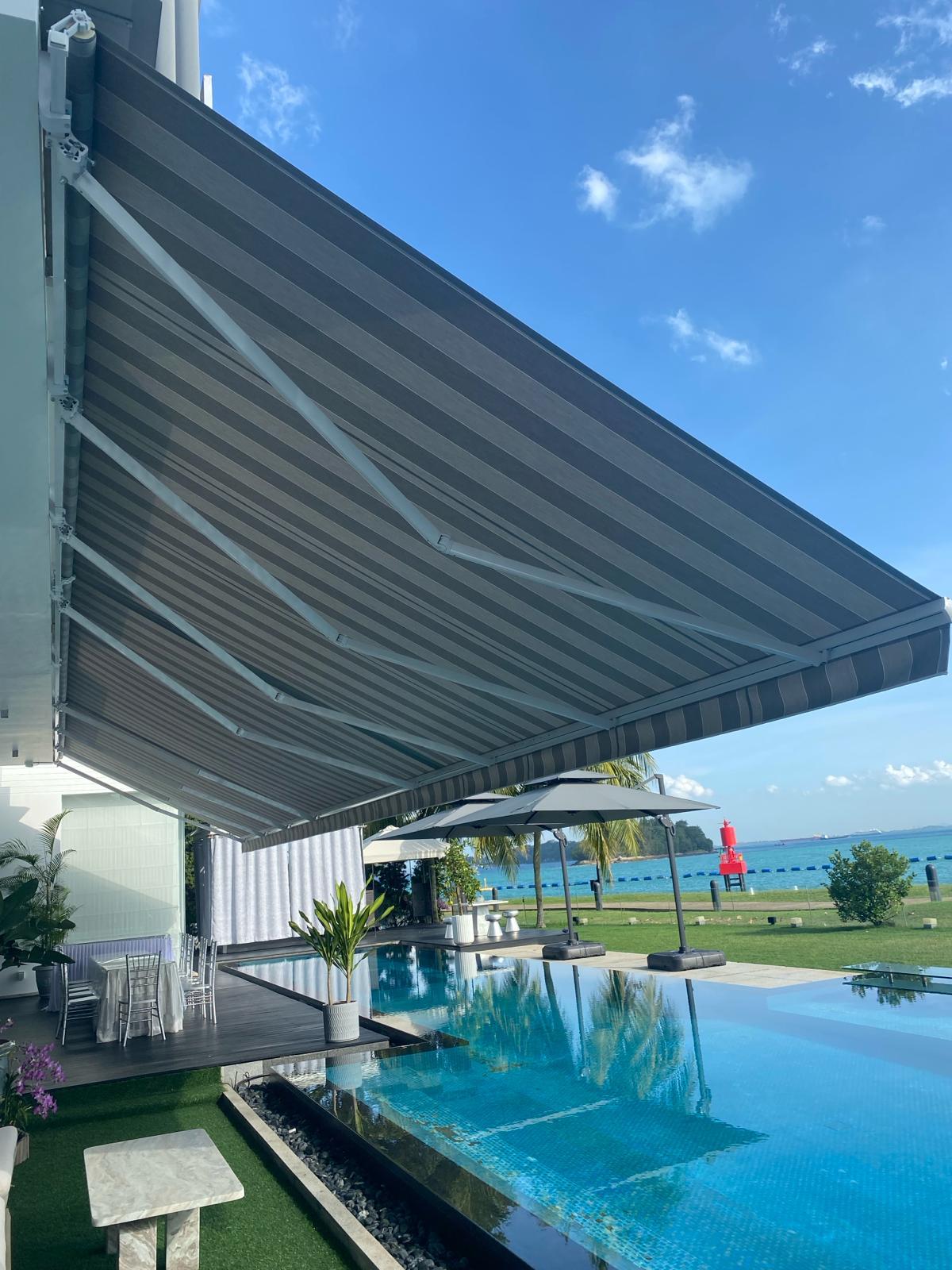
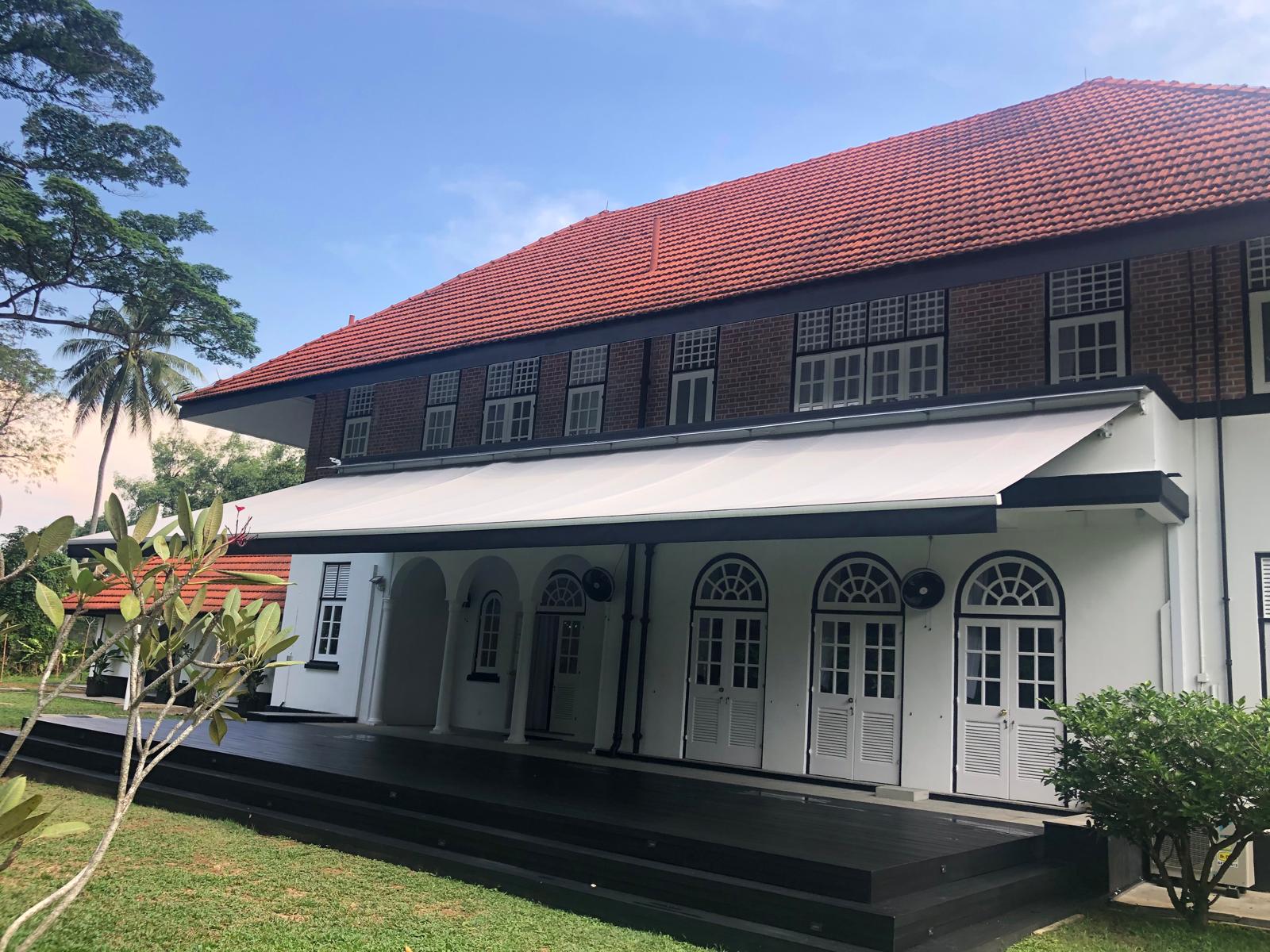
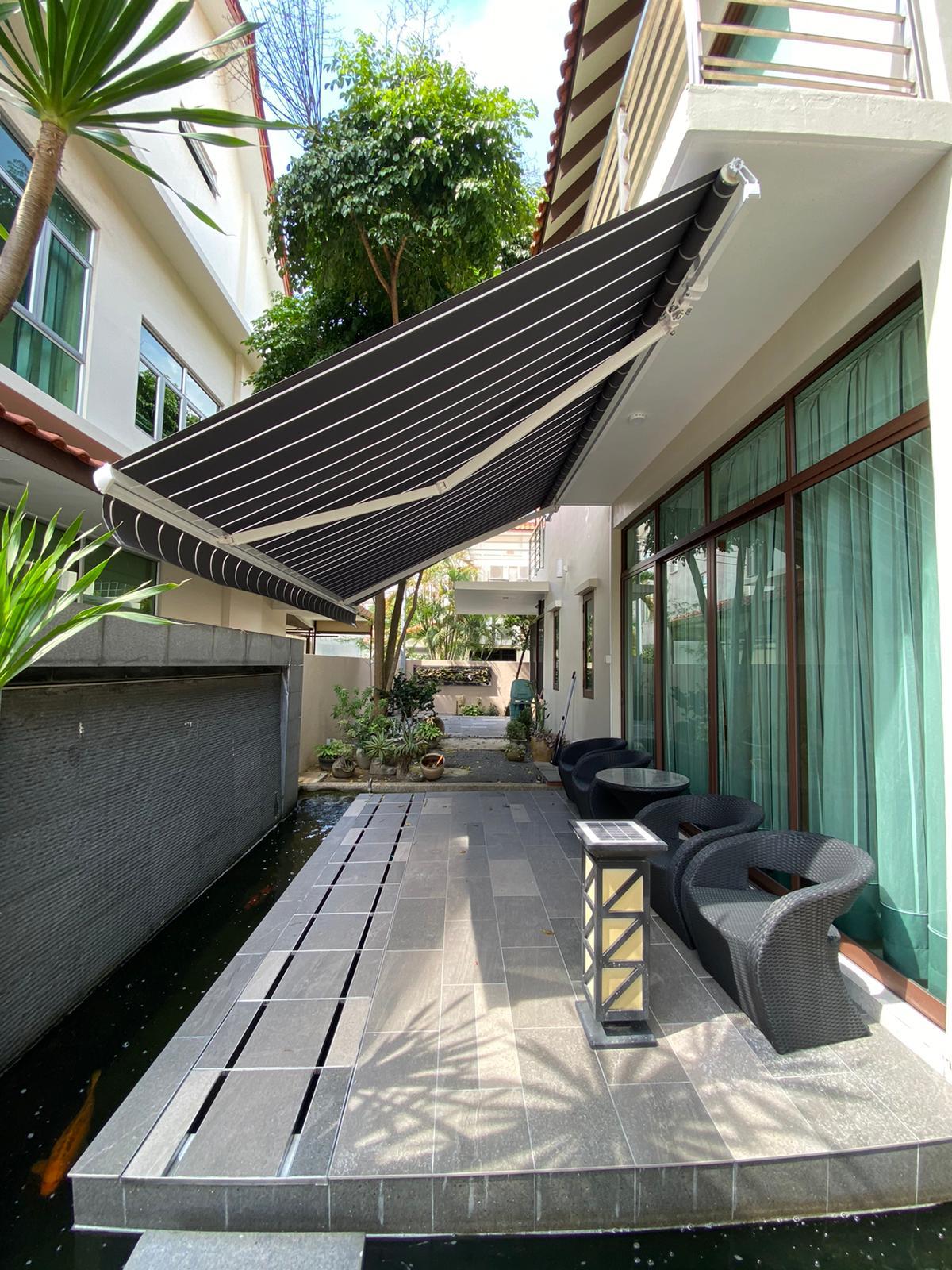
A retractable awning offers more flexibility. You can extend it when shade is needed and retract it when you prefer more natural light or an open outdoor area.
For example, a homeowner who enjoys having meals outdoors may appreciate being able to extend a retractable awning during sunny afternoons and open it up when shade is no longer needed.
The choice depends on your priorities, the available space and the conditions at the installation site. Neither option is automatically better for every property.
You can explore the retractable awning solutions offered by Elite Deco to learn more about this option.
5. Consider Singapore’s Sun, Rain and Wind Conditions
Singapore’s weather is an important consideration when planning any outdoor awning installation. Strong sunlight, high humidity and sudden heavy rain can affect how the awning is used and maintained.
Think about how exposed the proposed installation area will be. An awning in an open, windy location may have different requirements from one installed in a more sheltered area.
The material, frame, fixing method and overall design should be suitable for the intended location. It is also important to understand the operating limits of the selected system.
A retractable awning should not be left extended in unsuitable weather simply because it is convenient to operate. Follow the manufacturer’s instructions, especially during strong winds or heavy rain.
An awning can provide useful shade and some weather protection, but it should not be treated as a replacement for a permanent roof or assumed to withstand every weather condition.
6. Measure the Area Before Finalising the Design
Choosing the right size is about more than covering the largest possible area. The awning should provide practical coverage while fitting the available mounting space and complying with any applicable restrictions.
Measure the width and projection of the area you want to shade. Also consider the position of windows, doors, outdoor furniture and nearby structures.
If you are installing a retractable awning, allow enough clearance for it to extend and retract without obstruction. The extended projection is particularly important when checking property boundaries, balcony limits or other installation conditions.
Rather than selecting a size based on appearance alone, ask your installer to assess the site and recommend a suitable configuration.
A properly planned awning should complement the building, provide useful coverage and leave the surrounding area functional.
7. Think About Maintenance Before You Install
An awning is exposed to outdoor conditions, so maintenance should be considered before you make your final decision.
Different fabrics, frames and operating mechanisms may have different cleaning and care requirements. A retractable awning also has moving parts that should be kept in good working condition.
Ask about the recommended cleaning method, how to care for the fabric and what checks are needed for the frame and operating mechanism. You should also know what to do if the awning becomes difficult to open or close.
Regular cleaning and timely attention to wear can help maintain its appearance and operation. Retracting the awning during unsuitable weather, in accordance with the manufacturer’s guidance, is also an important part of caring for the system.
For more practical advice, read our guide on awning maintenance in Singapore.
8. Ask the Right Questions Before Confirming Your Awning Installation
Before committing to an awning, make sure you understand what is included in the proposed work. A clear discussion with your supplier can help you compare options and plan your budget more accurately.
Here are some useful questions to ask:
- Is the proposed awning suitable for my property and intended location?
- Do I need permission from the property management or relevant authorities?
- Is the mounting surface suitable for this installation?
- What materials and operating options are available?
- What preparation or additional work may be required?
- What maintenance does the awning need?
- What is included in the quotation?
It is also helpful to provide photographs and measurements of the intended installation area when requesting a quotation. An on-site assessment may be needed before the final design and price can be confirmed.
Taking the time to clarify these details makes it easier to understand the proposed solution before work begins.
Finding the Right Awning in Singapore
Installing an awning is a practical way to make better use of an outdoor space, whether it is a home patio, backyard, balcony or commercial area. The best result comes from choosing a suitable design and making sure the installation has been properly planned.
Before choosing an awning in Singapore, check the relevant property requirements, assess the mounting surface, consider the local weather and decide how you want to use the covered area. These steps can help you narrow down the options and avoid overlooking important details.
At Elite Deco Pte Ltd, we provide awning and outdoor shading solutions for residential and commercial applications. Our services cover consultation, design, supply, installation and maintenance, helping customers explore options suited to their properties and requirements.
If you are considering a new awning or retractable awning, contact Elite Deco to discuss your project and find out what solution may be suitable for your space.
Note: Installation and approval requirements depend on the property and proposed works. Always check the latest requirements with the relevant authorities and property management before proceeding.