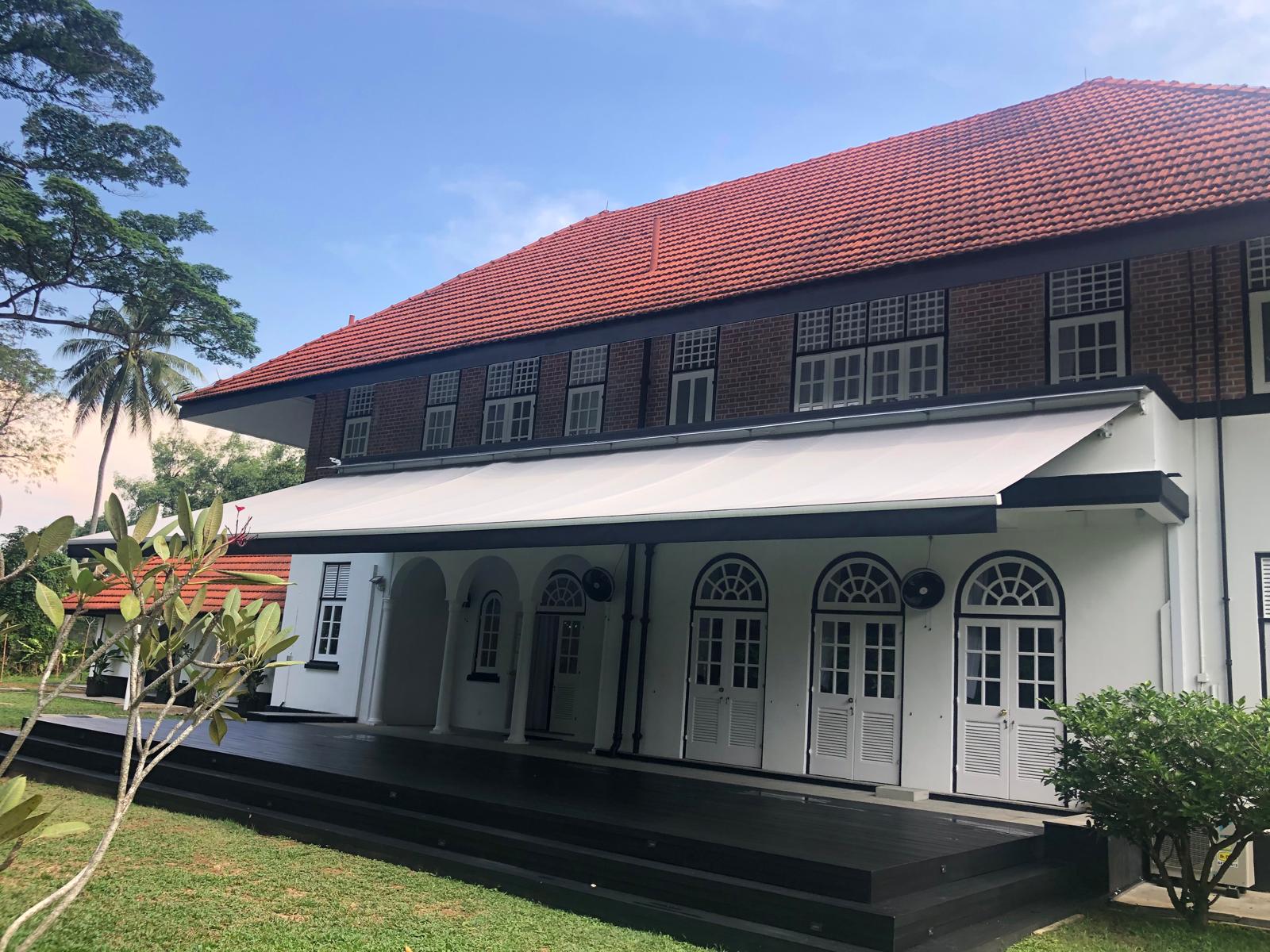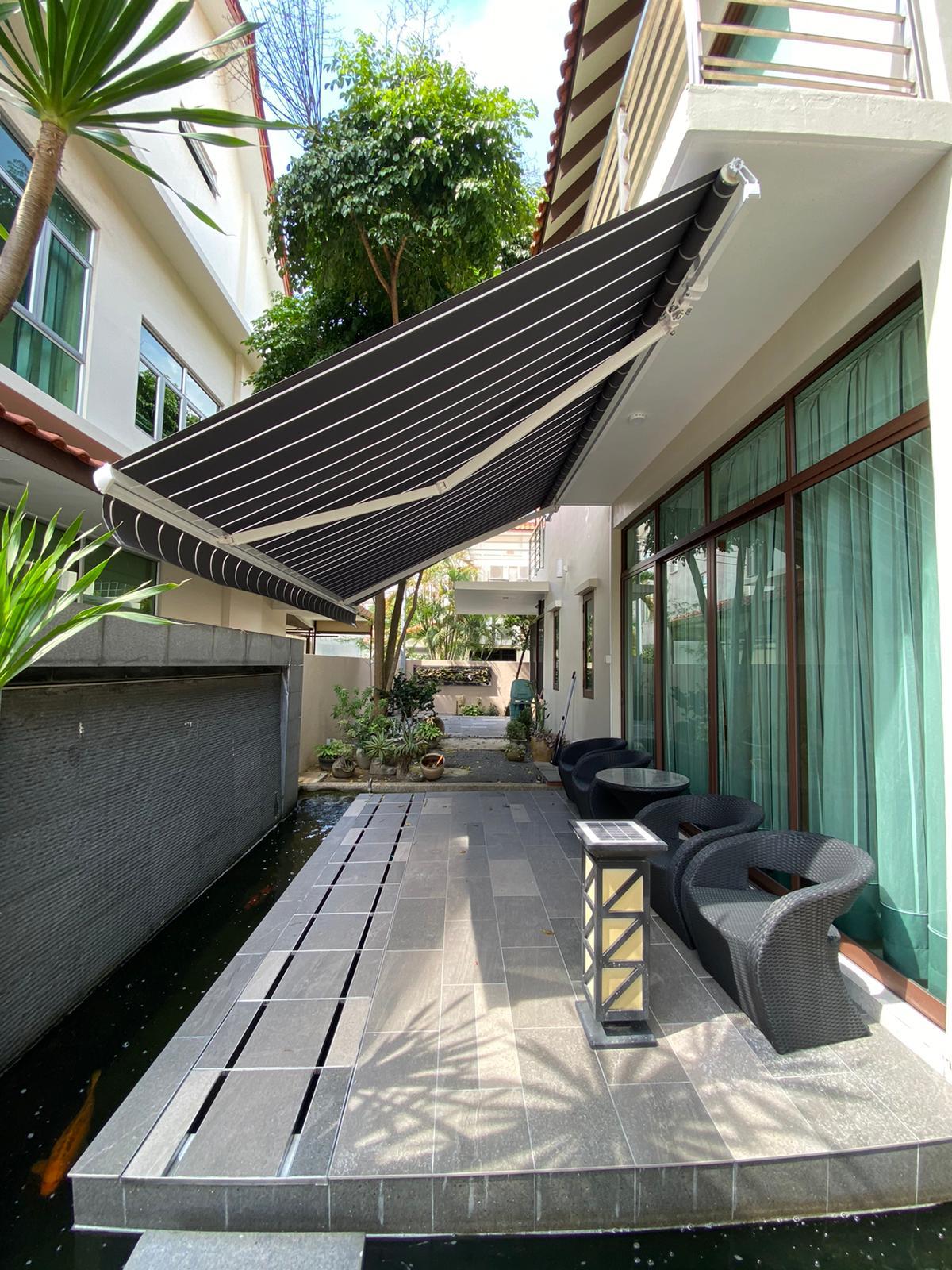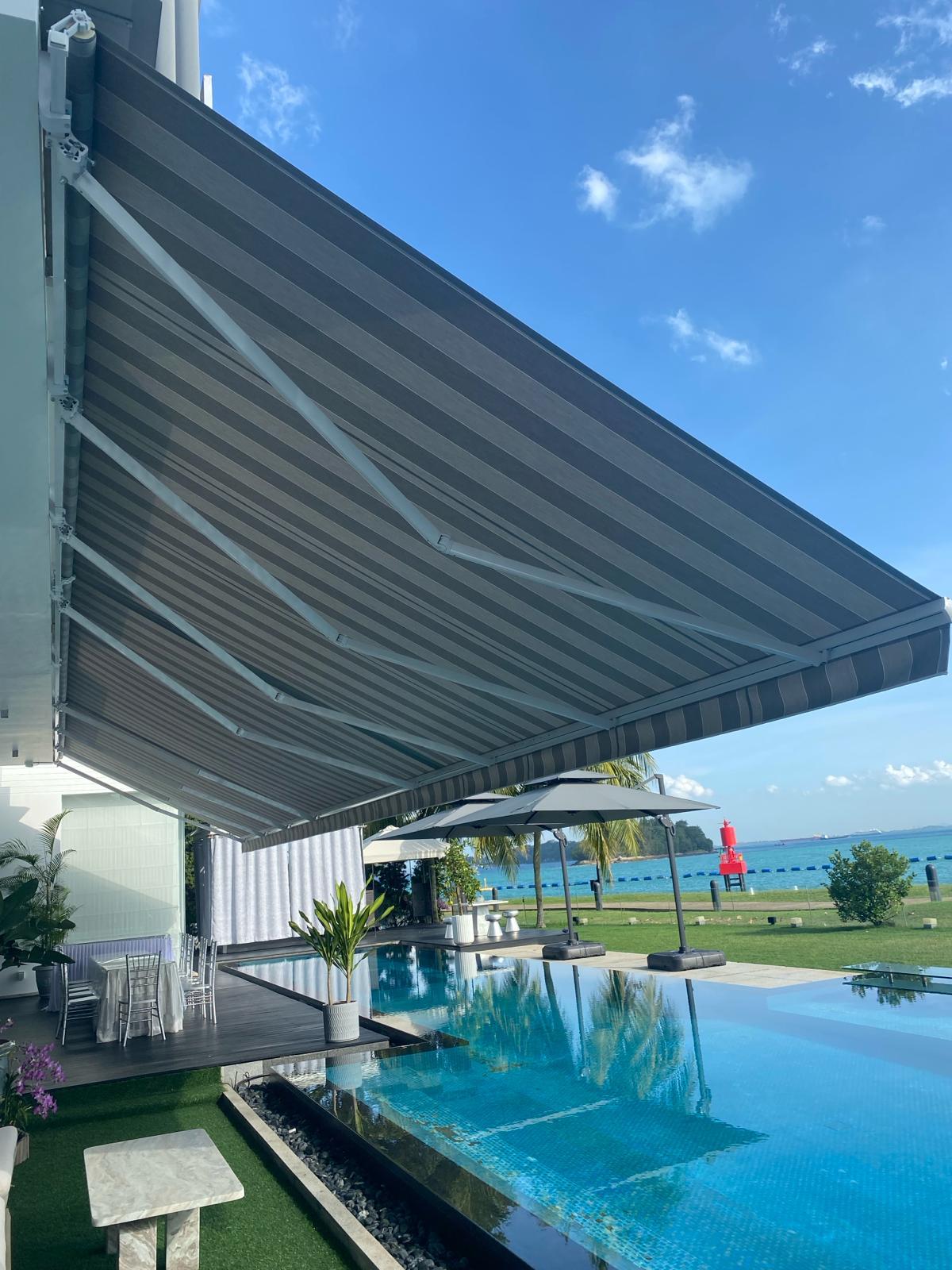
A landed house often comes with something that many homeowners appreciate: extra outdoor space. Whether it is a front porch, a backyard patio or a small garden beside the house, these areas can become useful extensions of the home.
The challenge is making the space comfortable enough to enjoy throughout the year. Strong sunlight can make outdoor seating areas hot, while sudden rain may interrupt a family meal or an afternoon spent outdoors.
Installing an awning in Singapore is one way to make these areas more practical. With the right design and placement, an awning can provide shade, offer some protection from the weather and help create a more inviting outdoor environment.
If you are considering an awning for your landed property, here are some ideas to help you decide which solution may suit your home.
1. Create a More Comfortable Patio with an Awning
A patio is often one of the most versatile outdoor areas in a landed house. It can serve as a place for morning coffee, casual meals, family gatherings or simply relaxing after a long day.
However, without sufficient shade, the space may become uncomfortable during sunny afternoons. An outdoor awning can help reduce direct sunlight over the area, making it more pleasant to use.
When planning a patio awning, consider how you intend to use the space. If you have an outdoor dining table, the awning should provide enough coverage for both the table and the surrounding seating. If the patio is mainly used as a lounge area, you may want to prioritise shade over the sofa or chairs.
The overall design also matters. A neatly fitted awning that complements the house exterior can make the patio feel like a natural extension of the home rather than a separate outdoor area.
2. Make Better Use of Your Backyard
A backyard does not need to be large to be useful. Even a modest outdoor space can accommodate a seating area, a small dining corner or a place for the family to spend time together.
The difficulty is that an uncovered backyard can receive direct sunlight for much of the day. An awning can help create a shaded section without necessarily covering the entire garden.
For homeowners who want to retain some open space, a retractable awning is worth considering. It can be extended when shade is needed and retracted when you prefer more sunlight or an open view of the sky.
This flexibility is particularly useful when the backyard serves several purposes. You might want shade over the seating area during lunch but prefer an uncovered space when tending to plants or enjoying the evening breeze.
Before choosing a system, consider the available wall space, the dimensions of the area and any nearby trees or structures that could affect the installation.
3. Consider a Retractable Awning for Flexible Outdoor Living
One reason homeowners choose a retractable awning is the ability to adjust the amount of shade according to their needs.
Unlike a permanent covering, a retractable system allows you to open up the outdoor area when the awning is not required. This can be useful for patios and terraces where homeowners want the option of both shaded and open-air spaces.
There are generally manual and motorised operating options. A manual system uses a hand crank, while a motorised model can be operated using a switch or remote control, depending on the system.
For a frequently used patio or a larger outdoor dining area, motorised operation may offer greater convenience. For a smaller space that is used occasionally, a manual option may be sufficient.
The best choice depends on your budget, the size of the installation and how often you expect to operate the awning.
You can explore Elite Deco’s retractable awning solutions to learn more about this type of outdoor shading system.
4. Add Shade to an Outdoor Dining Area
Outdoor dining can be an enjoyable part of living in a landed house, especially when you have space for family meals, weekend gatherings or entertaining guests.
An awning above the dining area can help provide shade during the day and some protection from light rain, depending on the material and design.
When planning the installation, think about the position of the dining table, the movement of chairs and the space needed for people to walk around comfortably. The awning should provide useful coverage without obstructing doors, windows or access routes.
It is also worth considering the appearance of the fabric and frame. A design that works well with the house’s exterior colours and finishes can help the outdoor dining area feel more coordinated.
Keep in mind that an awning is not a substitute for a fully enclosed or permanent roof. During heavy rain or strong winds, follow the manufacturer’s operating instructions and retract the system when conditions require it.
5. Choose an Awning That Complements Your House Exterior
An awning is a functional addition, but it also becomes part of your home’s exterior appearance. The colour, shape and size can influence how the finished installation looks against the building.
For a modern landed house, a simple design with clean lines may complement the architecture. A home with a more traditional appearance may suit a different colour or fabric style.
When selecting an awning, consider the existing exterior paint, window frames, doors and outdoor furniture. Neutral colours can create a subtle look, while a contrasting colour may help define the outdoor area.
Avoid choosing a design based on appearance alone. The awning still needs to provide adequate coverage and suit the proposed mounting location.
A professional assessment can help you balance the visual design with practical considerations such as dimensions, fixing points and the way the awning will operate.
6. Plan for Singapore’s Outdoor Conditions
Singapore’s warm, humid climate and frequent rainfall make material selection and proper installation important for outdoor shading.
An awning’s performance depends on factors such as its fabric, frame, mounting method, exposure and the conditions for which it was designed. An installation in a relatively sheltered patio may have different requirements from one exposed to open surroundings and stronger winds.
Before making a decision, ask about the material’s suitability for outdoor use, the care it requires and the recommended operating conditions.
For retractable awnings, it is especially important to understand when the system should be closed. Do not assume that every model can remain extended during heavy rain or strong winds.
Regular cleaning and checks can also help keep the fabric and frame in good condition. For more information, read our guide to awning maintenance in Singapore.
7. Check the Installation Requirements Before Proceeding
Before installing an awning on your landed property, make sure the proposed location and supporting structure are suitable.
The wall or other mounting surface must be able to support the selected system. The installer should also consider the awning’s dimensions, projection, fixing points and clearance from nearby structures.
Depending on the property and proposed works, planning or building requirements may also need to be checked. It is best to confirm any applicable requirements before installation rather than make changes after the work has started.
If you are unsure which type of awning is suitable, provide your installer with photographs and approximate measurements of the area. An on-site assessment may be necessary before the final design and quotation can be confirmed.
Taking these steps early can help you make a more informed decision and avoid unnecessary complications.
8. Think About Maintenance and Long-Term Use
Before committing to an awning, consider how much care it will need over time.
Outdoor fabric can collect dust, leaves and other debris. The frame, brackets and moving parts may also need periodic inspection, particularly for a retractable system that is opened and closed frequently.
Ask the supplier about recommended cleaning methods, maintenance requirements and what to do if the awning becomes difficult to operate.
It is also useful to understand what is covered by the product warranty and whether servicing is available if repairs are needed.
A suitable awning should not only look good when newly installed but also fit the way you intend to use and maintain your outdoor space.
Find the Right Awning for Your Landed House in Singapore
Adding an awning can help you make better use of your patio, backyard or outdoor dining area. The right solution depends on the space available, the amount of shade you need, your preferred design and how you plan to use the area.
For homeowners who value flexibility, a retractable awning can be a practical option because it allows the outdoor space to be covered when needed and opened up at other times.
At Elite Deco Pte Ltd, we provide awning and outdoor shading solutions for residential and commercial properties in Singapore. Our services include consultation, design, supply, installation and maintenance.
If you are planning to improve your landed home’s outdoor space, contact Elite Deco to discuss your requirements and explore a suitable awning solution.