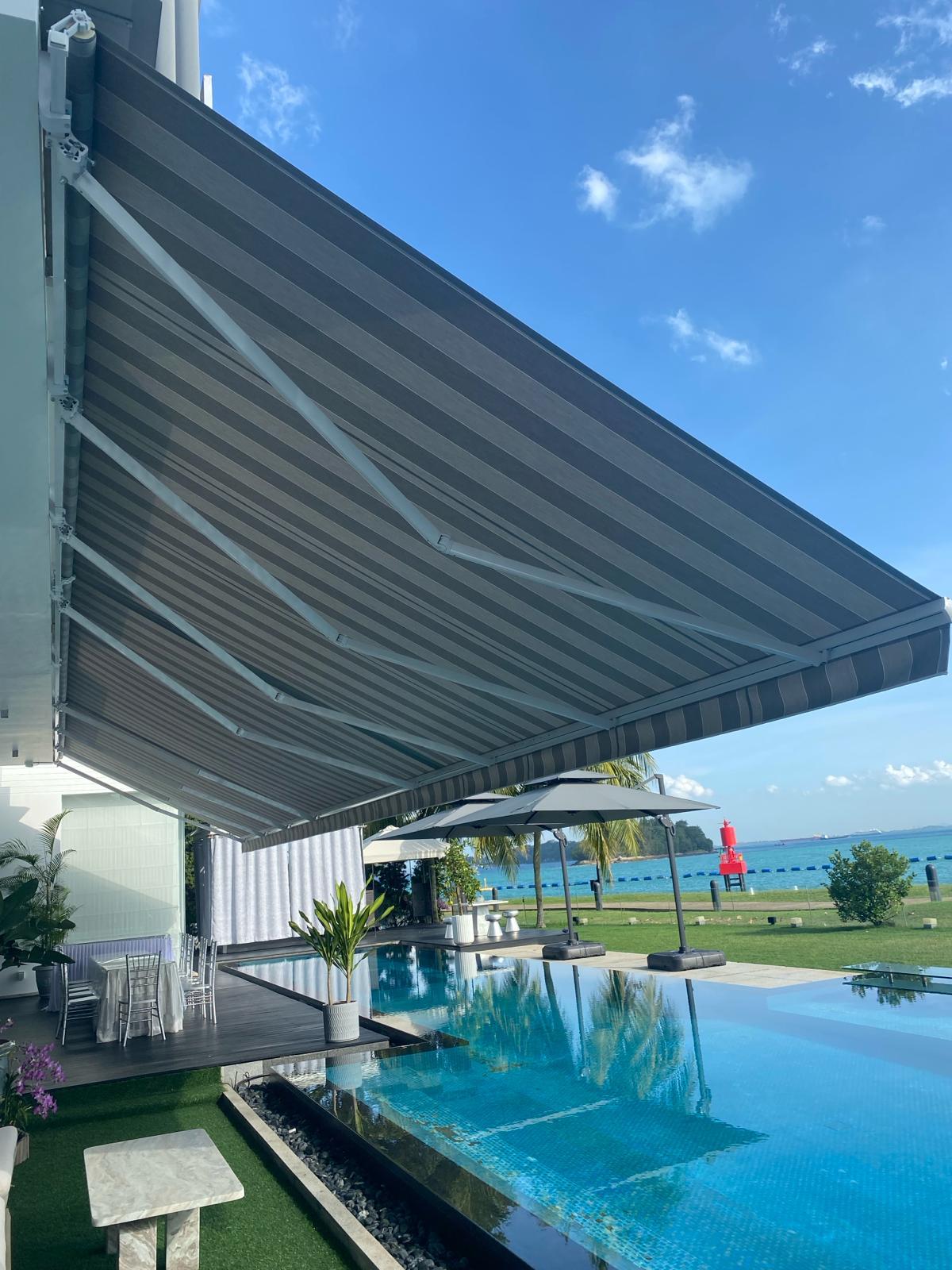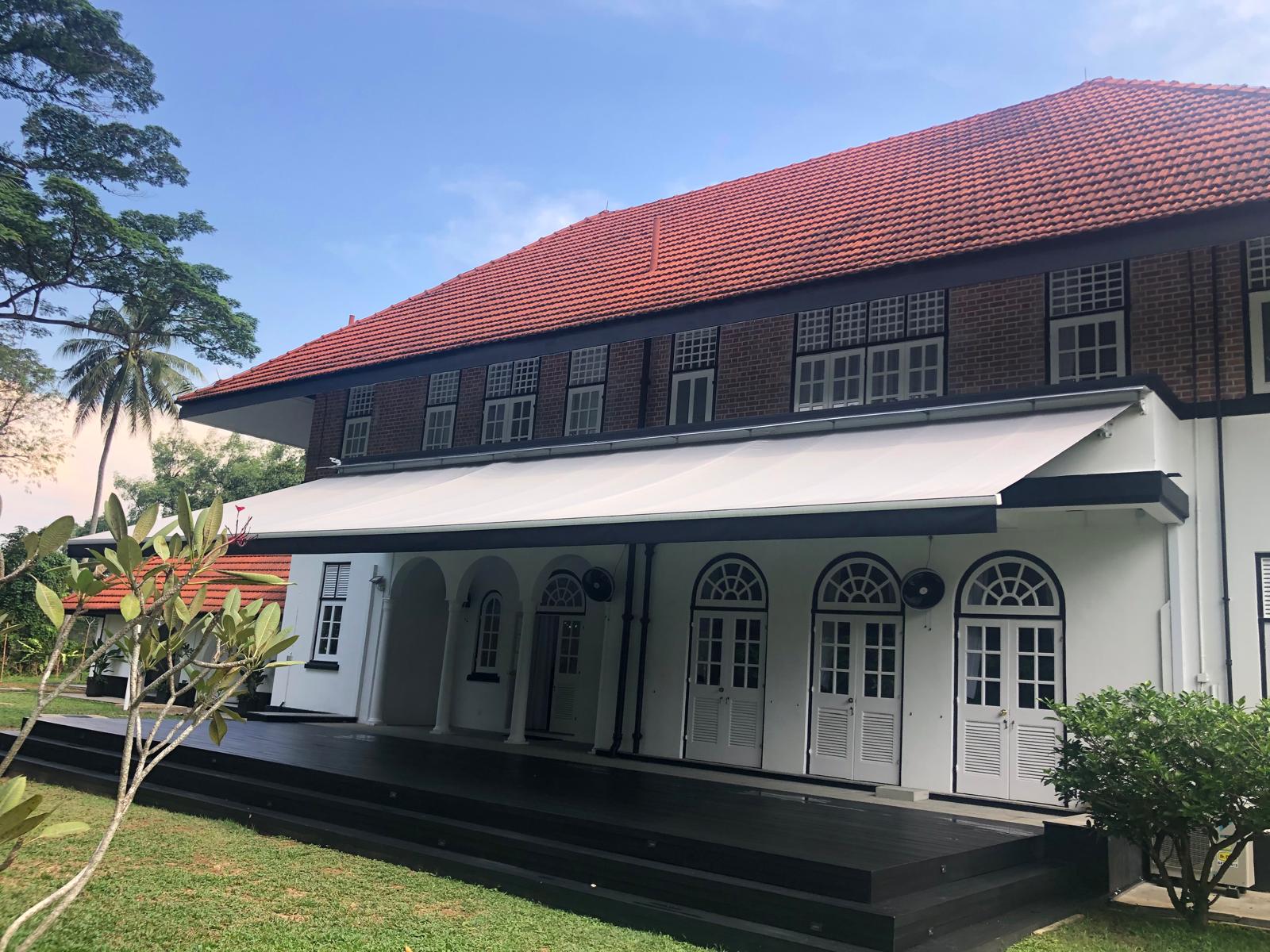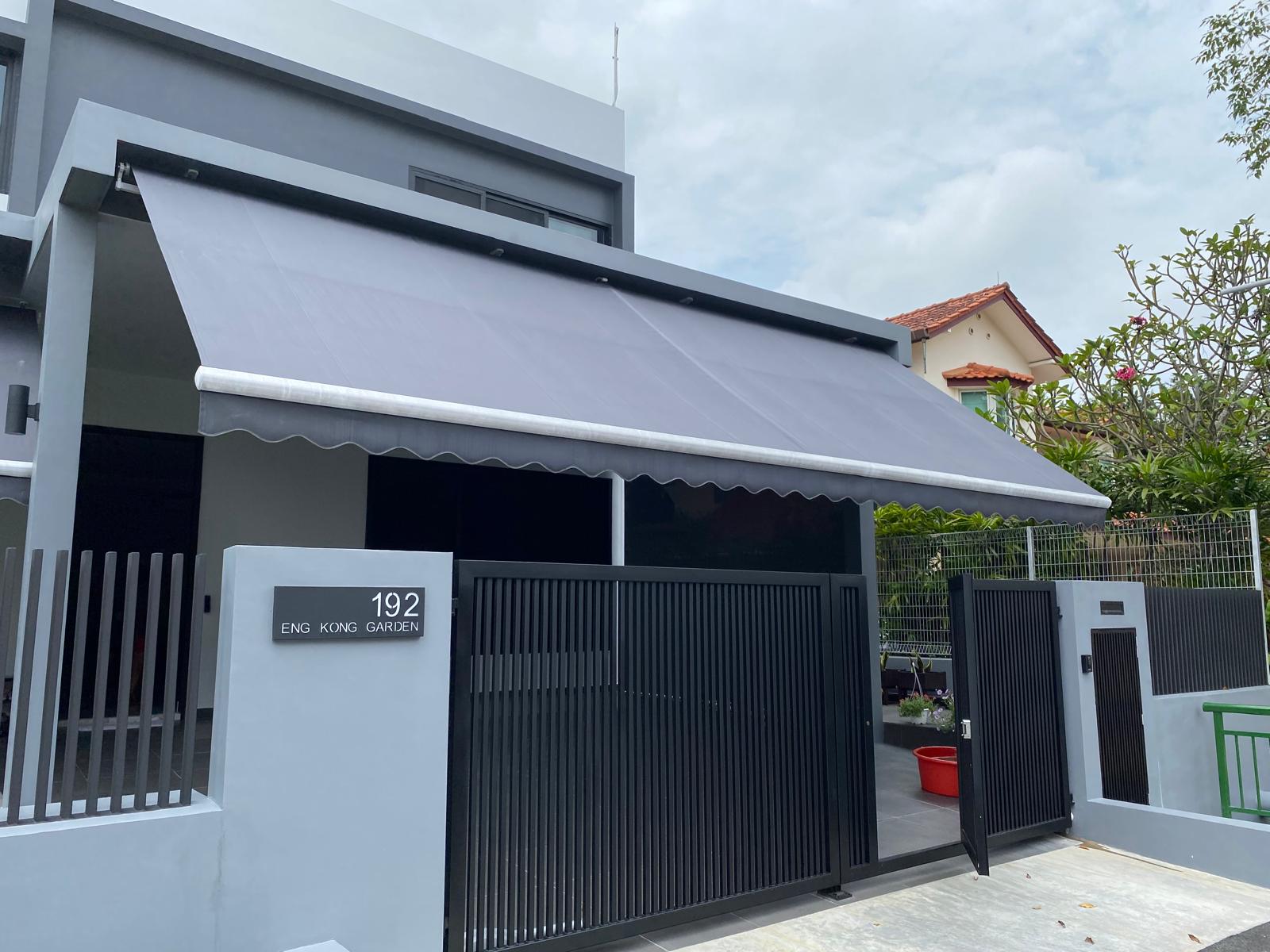
An awning is a useful addition to any outdoor space. It provides shade from the sun, offers some protection from rain and makes areas such as balconies, patios and shopfronts more comfortable to use. However, like any outdoor installation, an awning needs regular care to stay in good condition.
In Singapore, constant exposure to sunlight, humidity and heavy rain can gradually affect the awning fabric, frame and moving parts. Without proper maintenance, dirt may build up, materials may deteriorate and mechanical problems may develop over time.
The good news is that looking after your awning does not have to be complicated. A few simple habits can help keep it clean, working properly and looking presentable for longer. If you have a retractable awning, regular checks are especially important because the moving parts are used whenever the awning is opened or closed.
Why Is Awning Maintenance Important in Singapore?
Singapore’s weather can be challenging for outdoor structures. Strong sunlight may cause some fabrics to fade, while frequent rain and high humidity can leave dirt and moisture on the awning.
Over time, these conditions may affect both the appearance and performance of your installation. For retractable awnings, frequent use can also put wear on the folding arms, brackets and operating mechanism.
Regular awning maintenance can help you:
-
Keep the fabric and frame clean.
-
Spot small tears, loose fittings and other signs of wear early.
-
Keep a retractable awning opening and closing smoothly.
-
Reduce the risk of avoidable damage.
-
Maintain a neat appearance for your home or business.
Maintenance cannot prevent every problem, but checking your awning regularly can help you identify issues before they become more serious.
1. Clean Your Awning Regularly
Dirt, dust, fallen leaves and bird droppings can accumulate on an awning, especially if it is installed in an exposed outdoor area. Leaving these deposits for too long may result in stubborn stains and make the fabric harder to clean.
Start by removing loose dirt with a soft brush. If the fabric needs a more thorough clean, use water and a mild cleaning solution that is suitable for the material. Always follow the manufacturer’s cleaning instructions.
Avoid harsh chemicals, abrasive brushes and high-pressure washing unless the manufacturer specifically allows them. These methods may damage the fabric coating or affect its water resistance.
After cleaning, allow the awning to dry properly before retracting it, where the design and weather conditions allow. Folding away a damp awning can trap moisture and encourage mould or mildew to develop.
The frame should also be wiped down when necessary. Removing accumulated dirt helps keep the entire awning looking neat and makes it easier to notice signs of damage.
2. Check the Frame, Brackets and Moving Parts
The fabric is not the only part of an awning that needs attention. The frame, mounting brackets, screws and other fittings also play an important role in keeping the structure secure.
During a routine visual check, look for loose fittings, visible rust, bent components or anything that appears out of place. Pay attention to unusual movements when opening or closing the awning.
If you have a retractable awning, the folding arms and operating mechanism should move smoothly. Any grinding sounds, uneven movement or sudden resistance could indicate that something needs to be checked.
Do not force the awning to open or close if it feels stuck. Doing so may place additional strain on the mechanism or motor. For loose structural fittings, damaged brackets or other safety-related concerns, arrange for a qualified professional to inspect the installation rather than attempting repairs at height.
3. Retract Your Awning During Strong Winds or Heavy Rain
One of the advantages of a retractable awning is that you can open it when you need shade and close it when the space needs to be exposed.
This flexibility is particularly useful in Singapore, where the weather can change quickly. Strong winds and heavy rain may place considerable stress on the fabric, arms and supporting structure.
When weather conditions become unsuitable, retract the awning according to the manufacturer’s instructions. Do not assume that a motorised awning can remain extended safely just because it operates automatically.
If you are planning to install a retractable awning in Singapore, check its recommended operating conditions and weather limitations before choosing a model. The appropriate level of protection depends on the design, installation and specifications of the system.
4. Look After the Motor on a Retractable Awning
Motorised retractable awnings make outdoor shading more convenient, particularly for larger patios and frequently used outdoor areas. With the push of a button, you can extend or retract the awning without using a manual crank.
However, the motor and electrical components also need to be kept in good working condition.
Watch for signs such as:
-
The awning moving more slowly than usual.
-
The motor making unusual noises.
-
The awning stopping before it reaches its normal position.
-
Uneven movement when opening or closing.
-
The control system becoming unresponsive.
These symptoms do not always mean the motor needs replacing. The cause could be related to the controls, power supply, mechanism or another component.
If you notice a change in how the awning operates, stop using it if necessary and arrange an inspection. Avoid repeatedly operating a faulty system, as this could make the problem worse.
5. Look Out for Small Signs of Damage
Minor damage is easy to overlook, especially when the awning is installed above a balcony, patio or shop entrance. However, small problems can become more difficult to address if they are left unattended.
Check the fabric for small tears, fraying edges, fading or areas that appear to be sagging. Look at the frame and brackets for visible deterioration, and pay attention to any changes in the way the awning operates.
For businesses such as cafés, restaurants and retail shops, keeping an awning in good condition is particularly important when customers use the shaded area regularly.
If you notice damage, have it assessed before continuing to use the awning. Whether a repair is sufficient will depend on the condition of the fabric, frame and operating mechanism.
6. How Often Should You Maintain Your Awning?
There is no single maintenance schedule that suits every awning. The frequency depends on its location, materials, how often it is used and how exposed it is to the weather.
For most properties, a practical starting point is to:
-
Check the awning visually every month for dirt or obvious damage.
-
Clean it when dirt and debris begin to accumulate.
-
Inspect the frame, brackets and moving parts periodically.
-
Arrange professional servicing when you notice unusual movement, noise or other signs of wear.
These are general guidelines rather than a fixed servicing requirement. Always follow the maintenance schedule provided by the manufacturer, particularly for motorised systems.
If your awning is exposed to the elements throughout the year or used frequently, it may need closer attention than one installed in a sheltered area.
7. When Should You Repair or Replace an Awning?
Regular maintenance can help keep an awning in good condition, but it cannot prevent all wear and tear. Eventually, some parts may need repair or replacement.
You may want to arrange an inspection if the fabric has developed extensive tears, the frame shows significant corrosion, the brackets appear loose or the retractable mechanism no longer works properly.
In some cases, replacing a damaged component may be enough. In others, replacing the entire awning may be a more practical option, particularly if several parts have deteriorated.
Before making a decision, consider the condition of the existing installation, the likely repair requirements and the suitability of the awning for your outdoor space.
A professional assessment can help you understand the available options before committing to a repair or replacement.
8. Choosing the Right Awning in Singapore
Good maintenance starts with choosing an awning that suits the location and intended use. A balcony at home, a landed property’s patio and a restaurant’s outdoor dining area may all require different designs and levels of coverage.
When choosing an awning in Singapore, consider the following:
The area to be covered: Measure the available space and consider how much shade or shelter you need.
The material: Choose fabric and structural components suited to the intended outdoor conditions and the manufacturer’s recommendations.
The operating method: A manual awning may suit an area that is used occasionally, while a motorised retractable awning can offer greater convenience for frequent use.
The installation location: The mounting surface, available clearance and surrounding structures all affect the choice of awning.
Maintenance requirements: Consider how easy the awning will be to clean, inspect and service over time.
Taking these factors into account can help you choose an awning that fits your property and is practical to maintain.
Looking for Awning or Retractable Awning Solutions in Singapore?
Whether you need an awning for a residential balcony, patio, shopfront or commercial outdoor area, choosing the right design and looking after it properly can make a difference to its long-term performance.
Elite Deco Pte Ltd provides awning and retractable awning solutions in Singapore for residential and commercial applications. With more than 15 years of experience, the company offers services covering consultation, design, supply, installation and maintenance.
If you are planning a new installation or have concerns about the condition of your existing awning, speak to the team about your requirements and the options available for your property.
Looking for the right awning for your property? Contact Elite Deco Pte Ltd to discuss your awning requirements and explore suitable solutions for your outdoor space. You can visit us at Blk 4025 Ang Mo Kio Industrial Park 1, #01-295, Singapore 569636, call us at (65) 6281 3113, or email sales@elitedeco.com.sg for enquiries.